
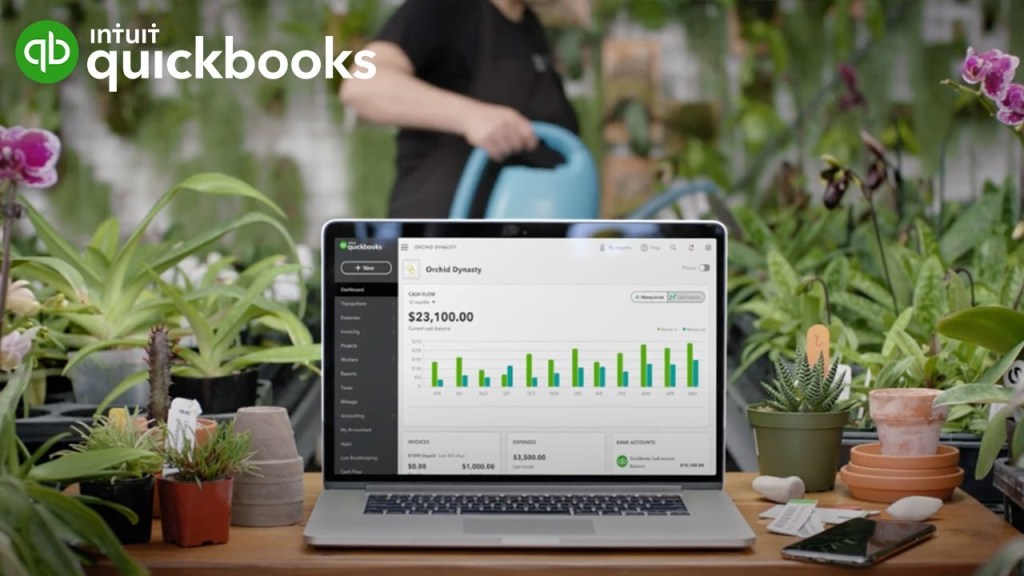
We’ve had many conversations with our clients about the benefits of using either QuickBooks Online or Desktop to track their financials. We’ve migrated companies from desktop to online for various reasons, while not for every company and situation, QBO is a very useful tool for most small businesses. However, both desktop and online have their place, but which one should you choose?
Both platforms offer powerful accounting tools to produce reports, track expenses, and manage everything from HR to inventory. We’ve found that QuickBooks online is becoming much more popular for its ease of use, accessibility, and real time collaboration. While QBO may offer an easier to use interface and other consumer friendly benefits, QB Desktop does have tools that can’t be found online and offers more accountant focused options.
QuickBooks Desktop is often suited for larger companies in specific industries i.e. manufacturing, construction, or wholesale. There are also one-time purchase options as opposed to QBO’s subscription based service. This can be much more cost-effective and usually suits more complex accounting needs. Large datasets can usually be handled better in desktop vs online.
With all this being said, we prefer QBO as our choice for most accounting situations. Unless you’re running multiple companies with large datasets for AR/AP, etc., QBO has almost everything you need to produce clean financials for both tax/management purposes. It allows our clients easier accessibility to their books and its continuously being updated to provide even better accounting support. Intuit Enterprise is also an option that brings most of what is found in desktop online. Which do you prefer?
Thanks for taking the time to view our blog.
 Partners Group LTD
Leave a comment